

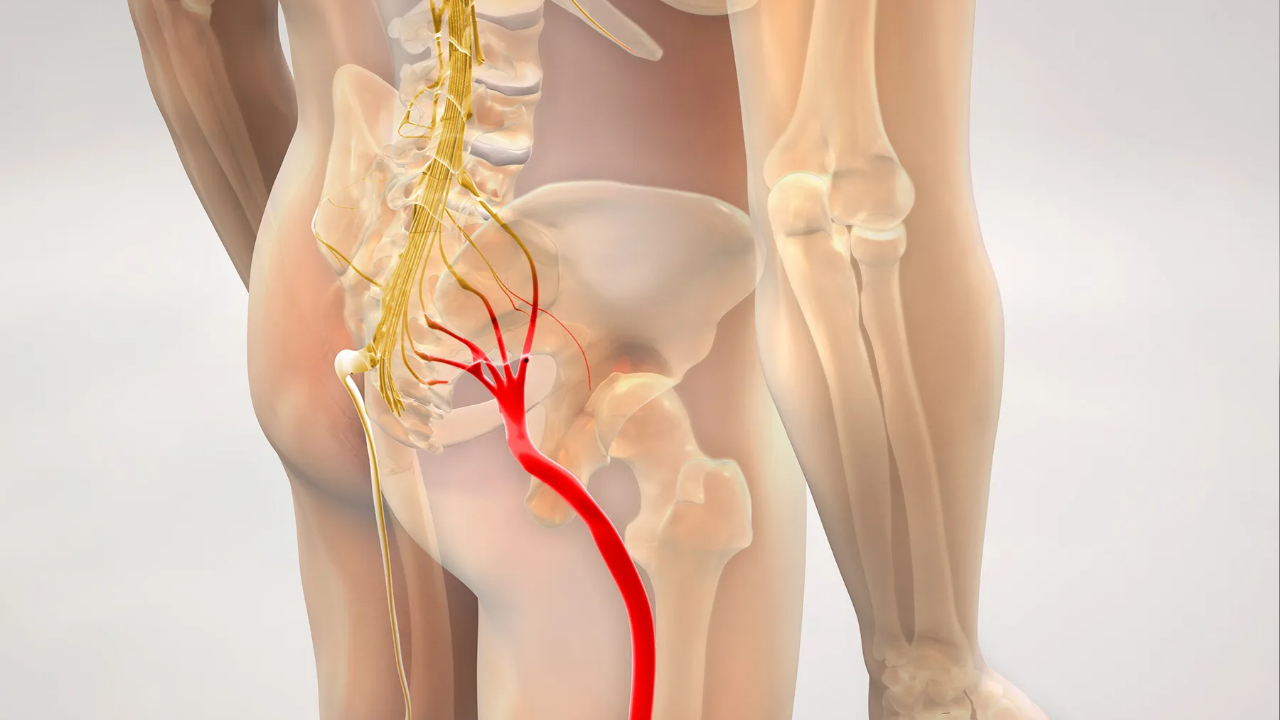
Sciatica is one of the most common causes of severe leg and lower back pain in Islamabad. It occurs when the sciatic nerve becomes compressed or irritated due to a slipped disc, herniated disc, spinal misalignment, or muscle tightness in the lower back and hips. This condition can cause sharp, burning, or shooting pain that travels from the lower back down to the buttock, thigh, and sometimes even the foot.
At Dr.Zia Pain & Brain Physiotherapy Center, located at 5 Block F Media Town Islamabad, specialized non-surgical sciatica physiotherapy is provided to treat the root cause of nerve compression instead of just masking the pain. Many patients from Media Town Islamabad, PWD Housing Society, and surrounding areas visit the clinic for structured nerve pain rehabilitation programs.
Sciatica often becomes worse with sitting, bending, driving, or standing for long periods. Over time, it can also lead to numbness, tingling sensations, muscle weakness, and difficulty walking comfortably.
Causes and Symptoms of Sciatica in Islamabad Patients
Sciatica is not a disease itself but a symptom of an underlying spinal or muscular issue. In many cases, it is caused by pressure on the sciatic nerve due to a slipped disc or degenerative changes in the spine. Poor posture, sedentary lifestyle, obesity, and improper lifting techniques are also major contributing factors among patients in Islamabad.
At Dr.Zia Pain & Brain Physiotherapy Center Media Town Islamabad, patients are carefully evaluated to identify the exact cause of sciatic nerve irritation. This includes assessing spinal alignment, muscle balance, walking pattern, flexibility, and nerve response.
Common symptoms include lower back pain, radiating leg pain, burning sensation in the leg, tingling or numbness in the foot, and weakness in the affected leg. Some patients also experience difficulty standing for long durations or walking without pain.
Patients searching for sciatica treatment in Islamabad, nerve pain physiotherapy near Media Town Islamabad, or leg pain treatment near PWD Islamabad often require detailed assessment and structured rehabilitation.
Non-Surgical Physiotherapy Approach for Sciatica Relief
At Dr.Zia Pain & Brain Physiotherapy Center Media Town Islamabad, sciatica is treated using advanced physiotherapy techniques that focus on reducing nerve compression and restoring normal movement patterns.
The treatment plan is always customized according to the patient’s condition and severity of symptoms. Instead of relying on painkillers or injections, physiotherapy aims to correct the underlying mechanical and muscular issues.
Treatment may include spinal decompression therapy, nerve mobilization exercises, piriformis muscle release techniques, lumbar stabilization exercises, and posture correction therapy. These methods help reduce pressure on the sciatic nerve and improve spinal alignment.
Manual therapy is also used to release tight muscles in the lower back and hip region. Tight muscles can worsen nerve compression, so muscle relaxation plays an important role in recovery.
Role of Spinal Decompression in Sciatica Recovery
Spinal decompression therapy is one of the most effective treatments for sciatica at Dr.Zia Pain & Brain Physiotherapy Center Islamabad. It gently stretches the spine, creating space between vertebrae and reducing pressure on the affected nerve.
This process helps reduce inflammation, improves blood flow, and supports disc healing. As nerve pressure decreases, pain gradually reduces and mobility improves.
Patients often experience relief in radiating leg pain, reduced numbness, improved walking ability, and better overall spinal movement after consistent sessions.
Importance of Muscle Balance and Posture Correction
One of the key reasons sciatica persists is muscle imbalance around the spine and hips. Weak core muscles and tight hip muscles can place extra pressure on the sciatic nerve. At Dr.Zia Pain & Brain Physiotherapy Center Media Town Islamabad, strengthening and stretching exercises are an essential part of rehabilitation.
Core strengthening improves spinal support and reduces stress on the lower back. Hip and leg muscle flexibility training helps release pressure from the sciatic nerve pathway.
Posture correction therapy is also important, especially for individuals working long hours in offices or using computers. Poor sitting posture increases pressure on the spine and can worsen sciatica symptoms over time.
Why Early Sciatica Treatment is Important
Early treatment of sciatica is very important to prevent long-term nerve damage and chronic pain. If ignored, sciatic nerve compression can lead to persistent pain, muscle weakness, and reduced mobility.
At Dr.Zia Pain & Brain Physiotherapy Center Media Town Islamabad, early intervention helps patients recover faster and avoid complications such as chronic nerve irritation or worsening disc conditions.
Patients from Islamabad often delay treatment thinking the pain will resolve on its own, but sciatica usually requires structured physiotherapy for proper healing.
Why Patients Choose Dr.Zia Pain & Brain Physiotherapy Center Islamabad
Patients from Media Town Islamabad, PWD Housing Society, Bahria Town, Soan Garden, and nearby areas trust Dr.Zia Pain & Brain Physiotherapy Center for effective and non-surgical sciatica treatment.
The clinic is known for detailed assessment, personalized physiotherapy plans, and advanced rehabilitation techniques focused on long-term recovery.
People searching for sciatica physiotherapy in Islamabad, best nerve pain treatment in Media Town Islamabad, or slip disc and leg pain treatment near PWD Islamabad often prefer this center due to its structured approach and patient-focused care.
Conclusion
Sciatica can severely impact daily life by causing pain, discomfort, and mobility limitations. However, with proper physiotherapy and early intervention, it can be effectively treated without surgery.
At Dr.Zia Pain & Brain Physiotherapy Center Media Town Islamabad, advanced sciatica treatment programs focus on reducing nerve compression, improving spinal alignment, strengthening muscles, and restoring natural movement.
With consistent physiotherapy, patients can achieve long-term relief, improved mobility, and a better quality of life.

