

Specialized TMJ Physiotherapy in Islamabad
Jaw pain, difficulty chewing, clicking sounds while opening the mouth, facial discomfort, and chronic headaches can significantly affect daily life. Many people spend months treating symptoms with painkillers without realizing that the root cause may be a condition known as Temporomandibular Joint Disorder (TMJ Disorder).
We provide advanced TMJ Physiotherapy Treatment designed to reduce pain, restore jaw function, and improve quality of life. Our evidence-based rehabilitation programs focus on addressing muscular tension, joint dysfunction, posture-related issues, and movement restrictions contributing to TMJ problems.
Patients searching for TMJ treatment in Islamabad, jaw pain physiotherapy in Media Town Islamabad, or TMJ specialist physiotherapy near PWD Housing Society trust Dr.Zia Pain & Brain Physiotherapy Center for comprehensive pain management and rehabilitation services.
What Is TMJ Disorder?
The temporomandibular joint (TMJ) connects the lower jaw to the skull and plays a vital role in speaking, chewing, yawning, and facial movement. When this joint becomes irritated, inflamed, misaligned, or dysfunctional, it can lead to a variety of painful symptoms.
TMJ Disorder affects both the joint itself and the surrounding muscles responsible for jaw movement. In many cases, symptoms gradually worsen if left untreated.
At Dr.Zia Pain & Brain Physiotherapy Center Islamabad, we assess the entire jaw, neck, head, and posture system to identify the underlying cause of TMJ dysfunction and create a personalized treatment plan.
Common Symptoms of TMJ Disorder
TMJ dysfunction can present differently from one person to another. Common symptoms include:
- Jaw pain while chewing
- Clicking or popping sounds in the jaw
- Difficulty opening or closing the mouth
- Jaw locking episodes
- Facial muscle tension
- Ear pain without infection
- Frequent headaches
- Neck pain and stiffness
- Pain around the temples
- Difficulty chewing certain foods
- Jaw fatigue after talking
Many patients are surprised to learn that chronic headaches and neck pain are often directly linked to TMJ dysfunction.
Causes of TMJ Problems
Several factors can contribute to TMJ disorders.
Teeth Grinding and Jaw Clenching
Stress-related clenching and nighttime grinding place excessive pressure on the jaw joint and surrounding muscles.
Poor Posture
Forward head posture caused by prolonged computer use, mobile phone usage, and desk work can alter jaw mechanics and increase strain on the TMJ.
Muscle Imbalances
Tightness in the neck, shoulder, and facial muscles often contributes to jaw dysfunction.
Trauma or Injury
Accidents, falls, sports injuries, and direct impact to the jaw can affect TMJ function.
Chronic Stress
Stress frequently leads to increased muscle tension throughout the face, jaw, neck, and shoulders.
Joint Degeneration
Age-related changes and arthritis can also affect the temporomandibular joint.
How Physiotherapy Helps TMJ Disorders
Many people are unaware that physiotherapy is one of the most effective non-surgical treatments for TMJ dysfunction. Physiotherapy focuses on treating the mechanical and muscular causes of jaw pain rather than simply masking symptoms.
At Dr.Zia Pain & Brain Physiotherapy Center, treatment is tailored to each patient’s condition and may include multiple rehabilitation techniques.
Comprehensive TMJ Assessment
Before beginning treatment, our physiotherapists conduct a detailed assessment that includes:
- Jaw movement analysis
- Postural evaluation
- Neck and cervical spine assessment
- Muscle tension examination
- Joint mobility testing
- Headache pattern assessment
- Functional movement evaluation
This thorough assessment helps identify contributing factors and ensures that treatment targets the root cause of symptoms.
Manual Therapy for Jaw Pain Relief
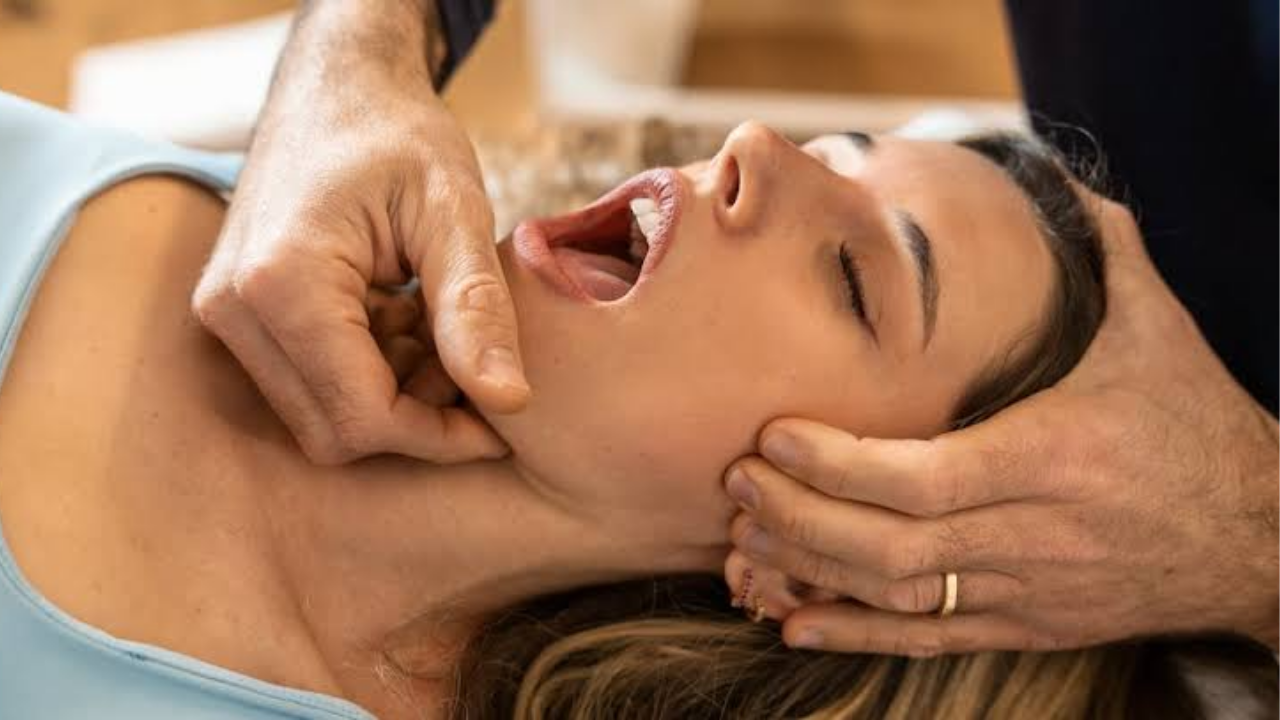
Manual therapy plays an important role in TMJ rehabilitation. Gentle hands-on techniques help restore normal joint movement and reduce muscle tension.
Benefits include:
- Reduced jaw stiffness
- Improved mouth opening
- Decreased pain levels
- Improved joint mobility
- Enhanced muscle relaxation
Manual therapy is often combined with exercise-based rehabilitation for optimal results.
Trigger Point Release Therapy
Muscles surrounding the jaw, face, neck, and shoulders often develop painful trigger points that contribute to TMJ symptoms.
Trigger point therapy helps:
- Reduce referred pain
- Relieve muscle tightness
- Improve jaw movement
- Decrease facial tension
- Reduce headache frequency
Patients often notice significant improvements in comfort following targeted muscle release techniques.
Postural Correction and Neck Rehabilitation
Research shows a strong connection between neck posture and jaw function. Forward head posture places additional stress on the jaw joint and surrounding muscles.
At Dr.Zia Pain & Brain Physiotherapy Center Islamabad, postural correction programs focus on:
- Cervical spine alignment
- Neck strengthening
- Shoulder stabilization
- Ergonomic education
- Movement retraining
Improving posture often leads to significant reductions in jaw pain and headache symptoms.
Therapeutic Exercises for TMJ Recovery
Exercise therapy is a key component of long-term TMJ rehabilitation.
Customized exercise programs may include:
- Jaw mobility exercises
- Controlled opening and closing movements
- Muscle relaxation exercises
- Neck strengthening routines
- Postural stabilization exercises
- Functional movement training
Regular exercise helps maintain treatment results and prevents symptom recurrence.
TMJ Disorders and Headaches
Many chronic headaches are directly related to TMJ dysfunction and muscle tension around the head and neck.
Patients experiencing:
- Tension headaches
- Temple pain
- Facial pressure
- Morning headaches
- Jaw-related migraines
may benefit from a comprehensive TMJ physiotherapy evaluation.
By addressing the source of muscular tension and joint dysfunction, physiotherapy can significantly reduce headache frequency and intensity.
Benefits of TMJ Physiotherapy
Patients receiving structured TMJ rehabilitation often experience:
- Reduced jaw pain
- Improved chewing ability
- Less jaw clicking and popping
- Increased mouth opening
- Reduced headache frequency
- Improved neck mobility
- Better posture
- Reduced facial tension
- Enhanced quality of life
The goal is not only symptom relief but also long-term restoration of healthy jaw function.
Why Choose Dr.Zia Pain & Brain Physiotherapy Center in Islamabad?
Dr.Zia Pain & Brain Physiotherapy Center provides comprehensive musculoskeletal and neurological rehabilitation services using evidence-based treatment approaches.
Our clinic offers:
- Advanced TMJ physiotherapy programs
- Comprehensive pain management solutions
- Manual therapy expertise
- Postural rehabilitation programs
- Headache physiotherapy treatment
- Personalized treatment plans
- Modern rehabilitation techniques
- Patient-focused care
We are committed to helping patients achieve lasting relief from jaw pain and related symptoms through safe, non-surgical treatment options.
TMJ Physiotherapy Treatment in Media Town Islamabad
If you are experiencing jaw pain, clicking sounds, difficulty chewing, chronic headaches, facial tension, or neck pain, professional TMJ physiotherapy can help restore normal function and improve your quality of life.
At Dr.Zia Pain & Brain Physiotherapy Center, located at 5, Block F, Media Town, Islamabad, we provide specialized TMJ Physiotherapy, Jaw Pain Rehabilitation, Headache Physiotherapy Treatment, Postural Correction Programs, and Pain Management Services designed to address the root cause of symptoms.
Patients searching for best TMJ treatment in Islamabad, jaw pain physiotherapy in Media Town Islamabad, TMJ specialist near PWD Housing Society, headache physiotherapy treatment in Islamabad, and non-surgical TMJ rehabilitation in Islamabad trust Dr.Zia Pain & Brain Physiotherapy Center for professional, evidence-based, and results-oriented care.

