

Dizziness, vertigo, and balance problems can make everyday activities unexpectedly difficult. Walking through a crowded place, getting out of bed, climbing stairs, turning the head, or even looking up can sometimes trigger dizziness or a feeling that the surroundings are moving. For some people, these symptoms disappear quickly, while others experience repeated episodes that interfere with work, mobility, confidence, and quality of life.
Vestibular rehabilitation is a specialized form of therapy designed to help people experiencing dizziness, balance difficulties, and certain problems involving the vestibular system. With an appropriate assessment and individualized rehabilitation program, patients can work toward better balance, improved movement control, and greater confidence during daily activities.
What Is Vestibular Rehabilitation?
The vestibular system is an important part of the body’s balance system. It works together with the eyes, muscles, joints, and brain to help you understand your body’s position and movement.
When this system is affected, a person may experience dizziness, vertigo, imbalance, motion sensitivity, or difficulty maintaining stability while walking. Vestibular rehabilitation uses specific therapeutic exercises designed around the patient’s symptoms and functional limitations.
The exact treatment approach depends on the underlying condition and the results of the clinical assessment.
Common Symptoms That May Require Vestibular Therapy
People experiencing vestibular problems may notice several different symptoms. These can include a spinning sensation, lightheadedness, unsteadiness while walking, difficulty maintaining balance, sensitivity to movement, blurred vision during head movement, or discomfort when changing positions.
Some patients may also avoid certain activities because they are worried about becoming dizzy or losing their balance. Over time, this can reduce physical activity and confidence.
A professional assessment can help determine whether vestibular rehabilitation may be appropriate.
How Vestibular Rehabilitation Works
Vestibular rehabilitation is not the same for every patient. A physiotherapist first evaluates balance, walking, eye and head coordination, movement patterns, and symptoms associated with different positions or activities.
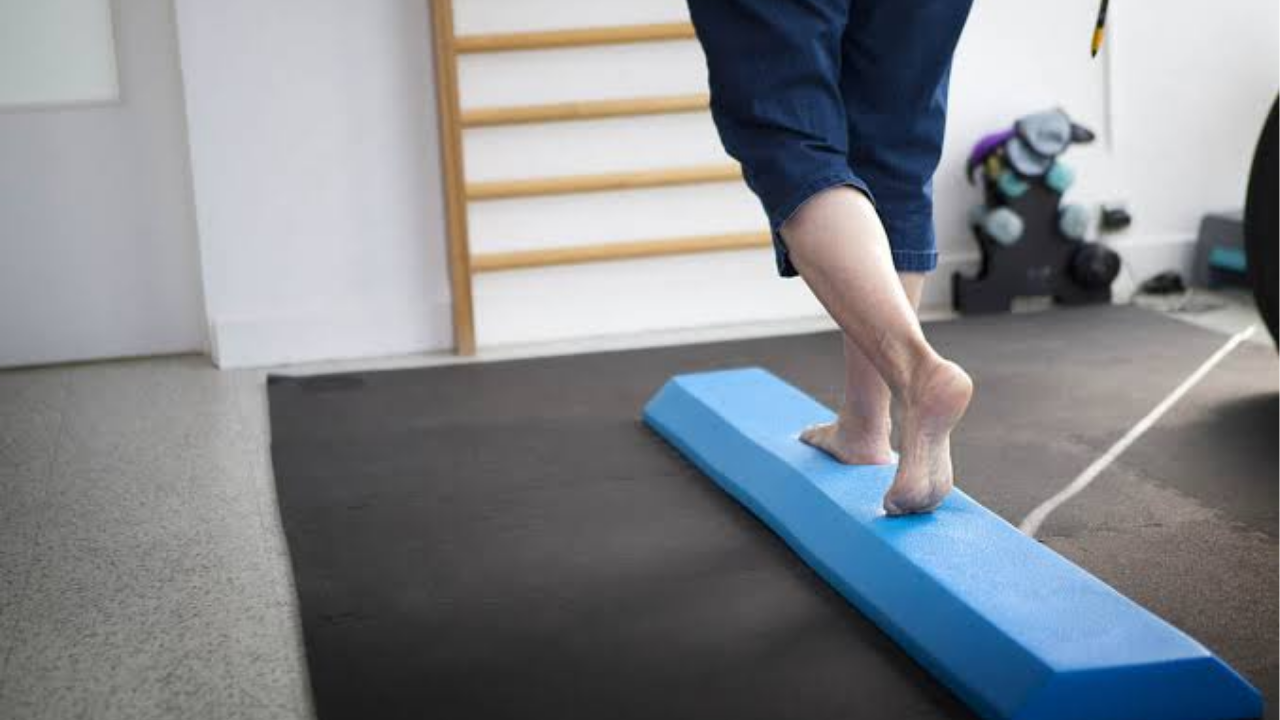
Depending on the patient’s condition, rehabilitation may include gaze stabilization exercises, balance training, coordination exercises, habituation activities, walking exercises, and movement-based training.
The exercises are gradually progressed as the patient’s tolerance and abilities improve.
Vestibular Therapy for Older Adults
Balance problems can become particularly concerning for older adults because reduced stability may increase the risk of falls. Fear of falling can also lead to reduced physical activity, muscle weakness, and further loss of confidence.
A personalized balance rehabilitation program can focus on improving lower-limb strength, coordination, postural control, walking ability, and confidence with everyday movements.
Rehabilitation may also include education about safer movement strategies and environmental factors that can contribute to falls.
Vestibular Rehabilitation After Neurological Conditions
Balance difficulties can also occur after neurological conditions such as stroke, traumatic brain injury, or other disorders affecting coordination and movement.
In these situations, vestibular and neurological rehabilitation may be incorporated into a broader treatment program. Physiotherapy can address balance, gait, strength, coordination, and functional mobility according to the patient’s individual recovery goals.
A multidisciplinary approach may be particularly useful when balance problems occur alongside communication, cognitive, or other neurological difficulties.
Why Early Assessment Matters
Persistent dizziness or balance problems should not simply be ignored. These symptoms can have different causes, and identifying the underlying issue is important before starting an appropriate treatment program.
A professional assessment can help determine whether rehabilitation is suitable and whether further medical evaluation may be necessary.
The aim is not simply to make a patient feel more comfortable temporarily, but to identify functional difficulties and develop a structured plan for improving movement and independence.
Improving Confidence Through Rehabilitation
One of the most important aspects of balance rehabilitation is rebuilding confidence.
When patients become afraid of movement because they associate certain activities with dizziness or instability, they may gradually avoid walking, exercising, or participating in social activities. Carefully supervised rehabilitation allows them to practice appropriate movements progressively and safely.
Small improvements—such as walking more steadily, turning the head while walking, standing for longer periods, or completing everyday movements with less fear—can make a meaningful difference in daily life.
Take the Right Step Toward Better Balance
Dizziness and balance problems can affect far more than physical movement. They can influence independence, confidence, work, exercise, and participation in everyday activities.
With appropriate assessment and individualized vestibular rehabilitation, patients can work on balance, coordination, movement control, and functional independence. If dizziness or instability is repeatedly interfering with your daily routine, seeking professional guidance is an important first step.
Theramed Neuro Therapies – DHA 2 Islamabad
Theramed Neuro Therapies – DHA 2 Islamabad provides multidisciplinary rehabilitation services for children and adults, including Neuro Rehabilitation, Physiotherapy, Speech Therapy, Occupational Therapy, Behavior Therapy, ABA Therapy, Child Psychology, and developmental support.
Address: Sheikh Zayed Bin Sultan Al Nahyan Road, Downtown Giga, D Sector, DHA Phase II, Islamabad.
Led by Dr. Zia Hassan, the center provides personalized, evidence-based rehabilitation programs designed around each patient’s individual needs and functional goals.

