

Feeling dizzy when standing up, walking, turning your head, or changing positions can make everyday activities surprisingly difficult. Balance problems can affect confidence, mobility, work, exercise, and even simple activities such as getting out of bed or walking around the house.
Vestibular rehabilitation is a specialized form of therapy designed to help people experiencing dizziness, balance difficulties, motion sensitivity, and certain problems related to the vestibular system. With appropriate assessment and a personalized rehabilitation program, patients can work toward better balance, safer movement, and greater confidence in everyday activities.
What Is the Vestibular System?
The vestibular system is an important part of the body’s balance system. Located within the inner ear, it works together with the eyes, muscles, joints, and brain to help the body understand its position and movement in space.
When this system is affected, a person may experience dizziness, vertigo, unsteadiness, difficulty walking, or discomfort when moving the head. These symptoms can sometimes occur after an inner-ear condition, neurological problem, injury, or other medical condition.
A professional assessment is important because dizziness and balance problems can have many different causes.
Common Signs of Vestibular Problems
Vestibular difficulties can appear in different ways. Some people experience a spinning sensation, while others feel lightheaded, unstable, or as though the surroundings are moving.
Patients may also notice difficulty walking in busy environments, problems maintaining balance while turning, increased discomfort when moving the head, or fear of falling.
Some people avoid certain activities because they are worried that movement will trigger their symptoms. Over time, this can reduce physical activity and confidence.
How Vestibular Rehabilitation Works
Vestibular rehabilitation is based on exercises and strategies selected according to the individual’s symptoms and assessment findings.
A therapist may work on gaze stabilization, balance training, coordination, walking, positional movements, and gradual exposure to activities that previously triggered symptoms.
The purpose is to help the brain and body adapt to changes in balance information and improve the patient’s ability to move safely.
Treatment is not identical for everyone. The exercises, intensity, and progression depend on the patient’s condition, age, symptoms, and functional abilities.
Balance Training Can Improve Everyday Mobility
Balance is essential for almost everything we do. Walking outdoors, using stairs, getting out of a chair, turning around, reaching for an object, and moving through crowded spaces all require the body to maintain stability.
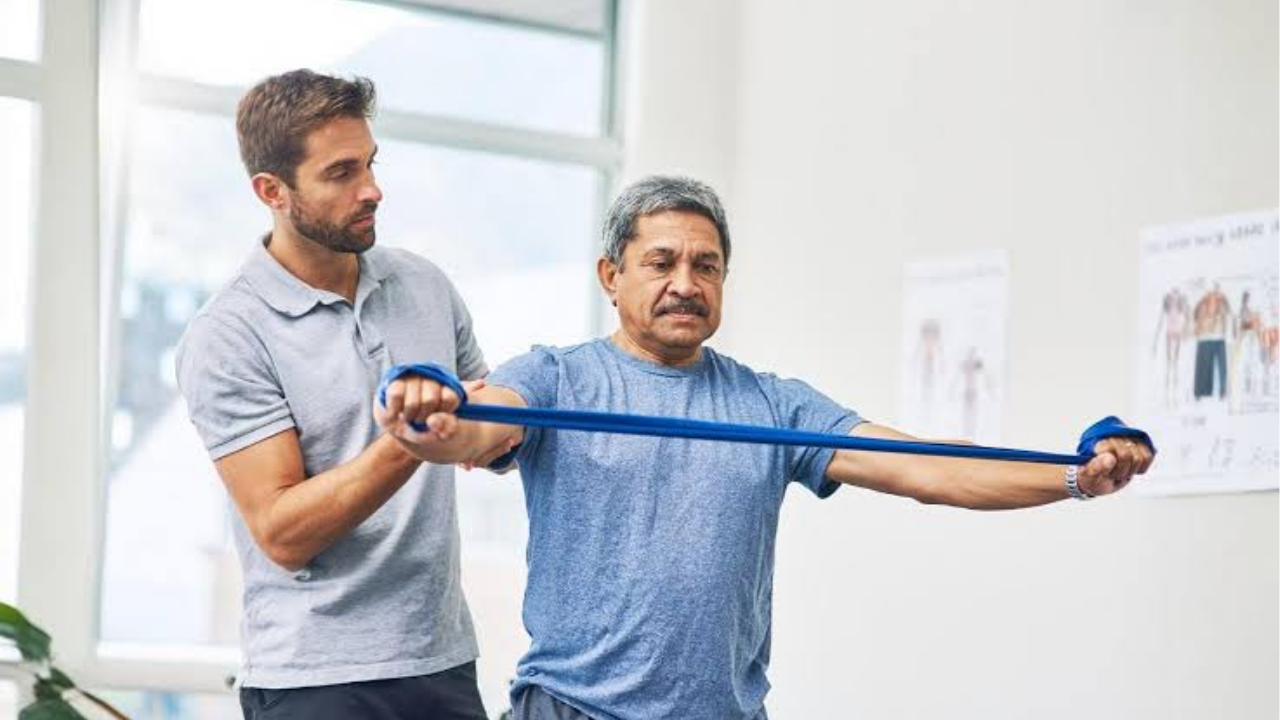
A personalized balance rehabilitation program can target strength, coordination, posture, weight shifting, and movement control. These skills can help patients become more confident during everyday activities.
For older adults, appropriate balance training can also form an important part of a broader fall-prevention program.
Vestibular Rehabilitation and Neurological Conditions
Balance difficulties are not limited to inner-ear disorders. Neurological conditions can also affect coordination, posture, walking, and the body’s ability to process sensory information.
Patients recovering from stroke, traumatic brain injury, or other neurological conditions may require rehabilitation that combines balance training with physiotherapy, occupational therapy, speech therapy, and other supportive services.
A multidisciplinary approach allows different aspects of functional recovery to be addressed together.
Why Professional Assessment Matters
Dizziness should not automatically be assumed to be a simple balance problem. Because dizziness can have different causes, an appropriate medical and rehabilitation assessment is important before beginning a treatment program.
A professional evaluation helps determine the patient’s symptoms, movement limitations, balance abilities, and functional difficulties. The rehabilitation plan can then be adjusted according to the individual’s needs and progress.
If dizziness is sudden or accompanied by serious symptoms such as severe headache, chest pain, fainting, difficulty speaking, new weakness, or sudden vision changes, urgent medical evaluation is important.
Building Confidence Through Rehabilitation
Balance problems can affect much more than physical movement. People may become hesitant to leave home, participate in social activities, exercise, or perform everyday tasks independently.
Rehabilitation provides a structured way to gradually rebuild movement confidence while addressing the physical challenges contributing to instability.
Progress may begin with small improvements, such as standing more confidently, walking with better control, or turning the head without feeling as unsteady. Over time, these improvements can contribute to greater independence and quality of life.
Take the First Step Toward Better Balance
Persistent dizziness, unsteadiness, and balance difficulties should not simply be accepted as a normal part of aging or recovery. Appropriate assessment and individualized rehabilitation can help identify functional problems and provide a structured pathway toward improved mobility.
At Theramed Neuro Therapies – DHA 2 Islamabad, patients can access multidisciplinary rehabilitation services designed around their individual needs, with a focus on improving function, independence, and quality of life.
Theramed Neuro Therapies – DHA 2 Islamabad
Theramed Neuro Therapies – DHA 2 Islamabad is located at Sheikh Zayed Bin Sultan Al Nahyan Road, Downtown Giga, D Sector D, DHA Phase II, Islamabad.
Led by Dr. Zia Hassan, the center provides comprehensive neuro rehabilitation for children and adults through personalized, evidence-based care. Services include Speech Therapy, Behavior Therapy, Occupational Therapy, Physiotherapy, Child & Adult Psychological Services, and specialized autism care programs focusing on communication, behavior, sensory integration, and developmental progress.

