

Post-Stroke Rehabilitation in Islamabad: A Complete Guide to Regaining Independence
A stroke can change many aspects of a person’s life within a very short period. Problems with walking, balance, muscle strength, speech, coordination, memory, and everyday activities can continue even after emergency medical treatment has been completed. For many stroke survivors, rehabilitation becomes an important part of the recovery journey.
The goal of post-stroke rehabilitation is to help a person regain as much function and independence as possible. According to the World Health Organization, stroke rehabilitation can involve physiotherapy, occupational therapy, speech and language therapy, cognitive rehabilitation, and psychological support depending on the individual’s needs.
What Happens After a Stroke?
A stroke occurs when blood flow to part of the brain is interrupted or when bleeding occurs in the brain. Because different areas of the brain control different functions, the effects can vary considerably from one person to another.
One person may experience weakness on one side of the body, while another may have difficulty speaking, swallowing, walking, remembering information, or maintaining balance. Some people may experience several of these problems at the same time.
This is why stroke rehabilitation should be personalized rather than based on a standard treatment routine.
Why Rehabilitation Is Important After Stroke
Recovering from a stroke is not simply about waiting for symptoms to disappear. Rehabilitation provides structured opportunities to practice movement, communication, daily activities, and other functional skills.
The World Health Organization identifies rehabilitation as a critical component of stroke care and notes that it aims to help people regain functional abilities, improve quality of life, and restore independence.
A rehabilitation professional first assesses the patient’s current abilities and limitations. Treatment goals can then be developed according to the individual’s condition, lifestyle, and priorities.
Physiotherapy After Stroke
One of the most common challenges after stroke is difficulty with movement. Weakness, poor coordination, stiffness, balance problems, and changes in walking patterns can make everyday activities difficult.
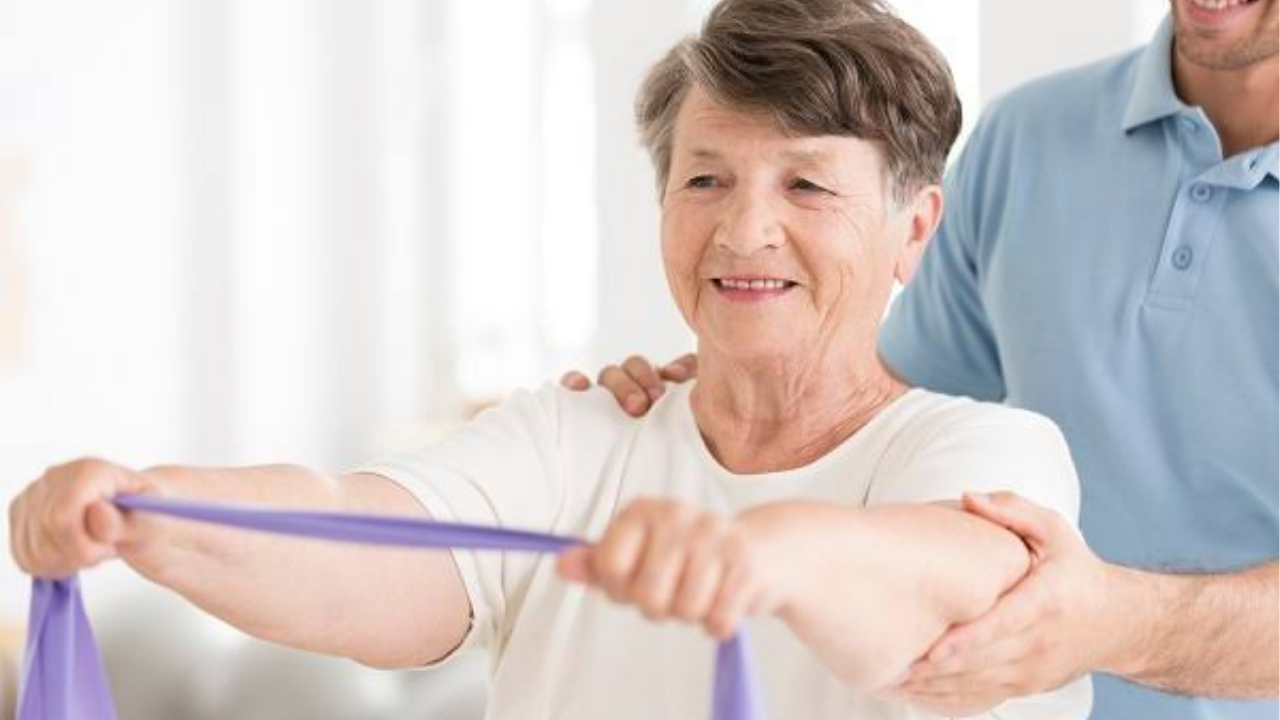
Stroke physiotherapy focuses on improving mobility, muscle strength, balance, coordination, flexibility, and walking ability. Depending on the patient’s condition, therapy may include movement training, strengthening exercises, balance activities, gait training, positioning, and functional exercises.
The purpose is not simply to exercise the affected muscles but to help the person perform meaningful movements and activities more independently.
Occupational Therapy for Daily Activities
A stroke can make ordinary tasks such as dressing, bathing, eating, writing, cooking, or using household objects difficult.
Occupational therapy focuses on helping patients regain the skills needed for everyday life. Therapists may work on upper-limb function, coordination, self-care activities, home safety, and practical strategies that make daily routines easier.
The overall aim is to help the patient participate as independently as possible in activities that matter to them.
Speech and Communication Rehabilitation
Some stroke survivors experience problems with speaking, understanding language, reading, writing, or swallowing. These difficulties can make communication frustrating and may affect social interaction.
Speech and language therapy can address communication difficulties and swallowing problems when appropriate. The exact approach depends on the type and severity of the patient’s symptoms.
Communication rehabilitation can also include strategies that help patients express their needs more effectively when normal speech remains difficult.
Balance and Walking Rehabilitation
Difficulty walking is a common concern after stroke. Weakness, poor balance, altered muscle control, and reduced coordination can make walking unsafe or tiring.
A structured rehabilitation program can focus on sitting and standing control, weight shifting, balance, walking patterns, lower-limb strength, and functional mobility.
Progress is monitored over time so exercises can be adjusted as the patient’s abilities change.
Cognitive and Emotional Changes After Stroke
Stroke can affect more than physical movement. Some people experience changes in attention, memory, thinking, problem-solving, mood, or emotional regulation.
These changes may interfere with returning to work, managing household responsibilities, or interacting with family members.
A comprehensive rehabilitation program may therefore involve cognitive and psychological support in addition to physical rehabilitation. WHO also recognizes cognitive and psychological rehabilitation as components that may be needed following stroke.
Rehabilitation Is Not the Same for Everyone
There is no single timeline for stroke recovery. Some people make noticeable improvements relatively quickly, while others require longer-term rehabilitation.
The number and type of therapy sessions depend on factors such as the severity of the stroke, affected functions, overall health, current mobility, communication abilities, and personal goals.
Regular reassessment is important because rehabilitation needs can change as the patient progresses.
The Role of Family in Stroke Recovery
Family members can play an important role in rehabilitation. Understanding how to safely assist with movement, communication, daily activities, and home exercises can help patients continue practicing skills outside therapy sessions.
A supportive environment can also encourage patients to remain engaged with their rehabilitation program.
However, caregivers should follow professional guidance rather than attempting unfamiliar exercises or transfers without proper instruction.
When Should Stroke Rehabilitation Begin?
Stroke rehabilitation should be considered as soon as the patient is medically stable and the treating medical team considers therapy appropriate. WHO states that stroke rehabilitation should begin as soon as the person is medically stable, ideally within the first few days after stroke.
The exact timing and intensity must always be determined according to the patient’s medical condition.
Choosing a Stroke Rehabilitation Center in Islamabad
When looking for stroke rehabilitation in Islamabad, consider whether the center can provide an individualized assessment and whether different rehabilitation needs can be addressed through coordinated care.
A comprehensive rehabilitation approach may involve physiotherapy, occupational therapy, speech and language therapy, cognitive rehabilitation, and psychological support depending on the patient’s requirements.
The objective should always be functional improvement and greater independence rather than simply completing a set number of therapy sessions.
Start the Recovery Journey With the Right Support
A stroke can create significant challenges, but rehabilitation provides a structured pathway toward improving movement, communication, daily function, and independence.
Every recovery journey is different. With professional assessment, individualized treatment, consistent therapy, and appropriate family support, patients can work toward meaningful functional goals at their own pace.
If you or a family member is recovering from a stroke, a professional rehabilitation assessment can help identify current difficulties and determine which therapies may be appropriate.
Spire Medical & Rehabilitation Center
For patients looking for post-stroke rehabilitation in Islamabad, neuro rehabilitation, or stroke physiotherapy, professional assessment and personalized care can provide an important foundation for recovery.
Spire Medical & Rehabilitation Center
Address: 5, Block F, Media Town, Islamabad
Phone: 0330 2592597
Spire Medical & Rehabilitation Center provides rehabilitation services including Physiotherapy, Neurological Rehabilitation, Occupational Therapy, Speech Therapy, Post-Surgical Rehabilitation, Sports Injury Rehabilitation, Pediatric Physiotherapy, Manual Therapy, Dry Needling, and Electrotherapy, depending on individual patient needs.
The center provides personalized rehabilitation programs designed around each patient’s functional goals and recovery requirements.

