


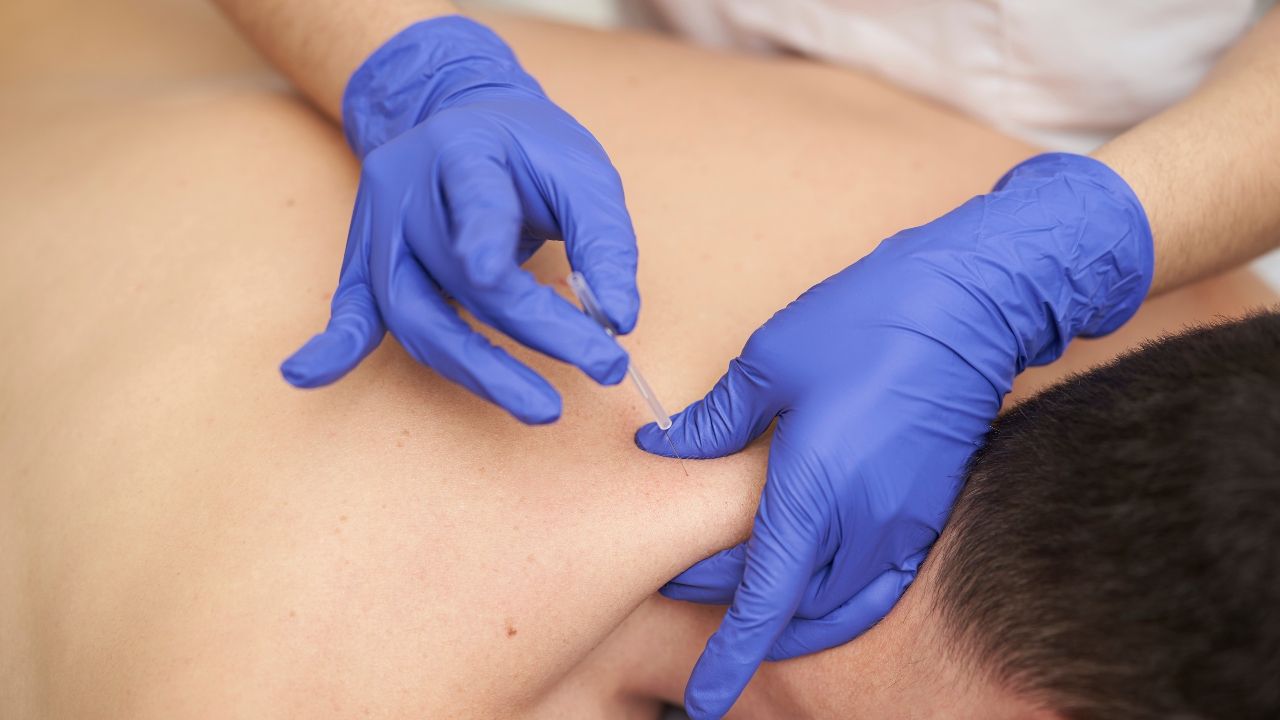
Muscle pain, stiffness, and persistent tension can make even simple daily activities uncomfortable. Whether you experience tight shoulders after working at a desk, lower back discomfort after prolonged sitting, or muscle pain following exercise, these problems can affect your mobility and quality of life. Sometimes, the source of discomfort is associated with sensitive areas within the muscles known as trigger points.
Dry needling is a specialized physiotherapy technique used to address certain muscular pain conditions. It involves inserting thin, sterile needles into targeted muscle areas to help reduce trigger point sensitivity, release muscle tension, and improve movement. When performed by a properly trained healthcare professional, dry needling can be a useful part of a comprehensive physiotherapy rehabilitation program.
What Is Dry Needling Therapy?
Dry needling is a treatment technique that uses fine, sterile needles without injecting medication or any other substance into the body. Physiotherapists target specific muscular trigger points identified during a clinical assessment.
These trigger points are sensitive areas within tight muscle bands that may cause localized discomfort or referred pain in other parts of the body. Dry needling aims to influence these sensitive areas and improve muscle function.
Unlike acupuncture, which is based on traditional Chinese medicine principles, dry needling is generally guided by musculoskeletal anatomy, clinical assessment, and modern rehabilitation approaches.
Common Conditions That May Benefit from Dry Needling
Dry needling may be considered as part of treatment for different musculoskeletal conditions involving muscle tightness and trigger point sensitivity.
People experiencing chronic neck pain, shoulder stiffness, lower back pain, tension-related muscular discomfort, sports injuries, muscle strains, and certain headache conditions may benefit from an assessment to determine whether this technique is appropriate.
It can also be incorporated into rehabilitation programs for patients experiencing muscular discomfort associated with poor posture, repetitive movements, or prolonged sitting.
However, dry needling is not suitable for every condition or every patient. A proper clinical evaluation is essential before starting treatment.
How Does Dry Needling Help Relieve Muscle Pain?
When a physiotherapist identifies a suitable trigger point, a fine needle is carefully inserted into the targeted muscle tissue. The stimulation may produce a local muscular response that helps reduce trigger point sensitivity.
Following treatment, some patients experience reduced muscle tightness, improved flexibility, and better movement.
Dry needling may also help improve tolerance for therapeutic exercises and other rehabilitation techniques. Its effects vary depending on the patient’s condition, and it is generally most useful when combined with an appropriate physiotherapy program rather than used as a standalone treatment.
Dry Needling for Neck and Shoulder Pain
Neck and shoulder discomfort is increasingly common among people who spend long hours using computers, mobile phones, or performing repetitive activities.
Muscle tightness around the upper trapezius, neck, and shoulder blade region can contribute to restricted movement and discomfort.
Following an assessment, dry needling may be incorporated into a treatment plan to address specific muscular trigger points. Physiotherapy exercises, postural correction, stretching, and strengthening are also important for improving long-term function and reducing recurring symptoms.
Dry Needling for Lower Back Pain
Lower back pain can develop due to several factors, including muscular strain, reduced core strength, prolonged sitting, and movement-related problems.
In some patients, tight lower back and hip muscles contribute to discomfort and restricted mobility.
Dry needling may help address associated muscular trigger points when clinically appropriate. However, lower back pain can also originate from spinal discs, joints, or nerve-related conditions, so identifying the underlying cause is essential before choosing treatment.
What Happens During a Dry Needling Session?
A dry needling session begins with a detailed assessment of your symptoms, medical history, muscle function, and movement limitations.
The physiotherapist identifies the muscles that may be contributing to your discomfort and determines whether dry needling is suitable.
During the procedure, sterile single-use needles are inserted into selected muscle areas. Patients may experience a brief sensation, muscle twitch, or temporary discomfort.
After treatment, mild muscle soreness or tenderness can occur for a short period. Your physiotherapist may recommend appropriate movement exercises, stretching, or other rehabilitation techniques to support recovery.
Is Dry Needling Safe?
Dry needling should only be performed by appropriately trained and qualified healthcare professionals who follow strict hygiene and safety procedures.
Temporary soreness, minor bleeding, or bruising may occur. More serious complications are uncommon but possible, particularly when needling is performed in areas such as the chest and upper back.
Patients should inform their physiotherapist about pregnancy, bleeding disorders, blood-thinning medication, immune system conditions, allergies, or other relevant medical concerns before treatment.
A professional assessment helps determine whether dry needling is appropriate for your individual condition.
Why Combine Dry Needling with Physiotherapy?
Although dry needling may help reduce muscular discomfort, long-term recovery often requires addressing the factors responsible for recurring pain.
Combining dry needling with therapeutic exercises, manual therapy, mobility training, posture correction, and muscle strengthening can provide a more comprehensive approach to rehabilitation.
For example, someone experiencing recurring neck tightness may benefit from dry needling alongside deep neck muscle strengthening and ergonomic education.
This approach focuses not only on reducing current symptoms but also on improving movement patterns and preventing recurring muscular problems.
Get Professional Dry Needling Treatment in Islamabad
Persistent muscle pain and stiffness should not be ignored, especially when they interfere with work, exercise, sleep, or everyday activities.
With appropriate assessment and personalized physiotherapy, patients can explore treatment options that address their specific muscular and movement-related problems.
If you’re searching for Dry Needling Therapy in Islamabad, professional assessment at a specialized physiotherapy center can help you understand the cause of your discomfort and choose an appropriate rehabilitation approach.
Dr. Zia Pain & Brain Physiotherapy Center
For professional physiotherapy assessment and dry needling treatment, visit:
Dr. Zia Pain & Brain Physiotherapy Center
Address: Raja Market, Street 48, F-11/3, Islamabad
Phone: 0330 4343123
Led by Dr. Zia Hassan, our center provides comprehensive physiotherapy and rehabilitation services, including Dry Needling, Manual Therapy, Electrotherapy, Sports Injury Rehabilitation, Neurological Rehabilitation, Post-Surgical Physiotherapy, Pediatric Physiotherapy, and personalized pain management programs.
We welcome patients from F-11, F-10, G-11, G-10, E-11, D-12, DHA Phase 2 Islamabad, Media Town Rawalpindi, and surrounding areas.
Contact us to schedule your physiotherapy assessment and take the first step toward better movement and improved physical health.

