


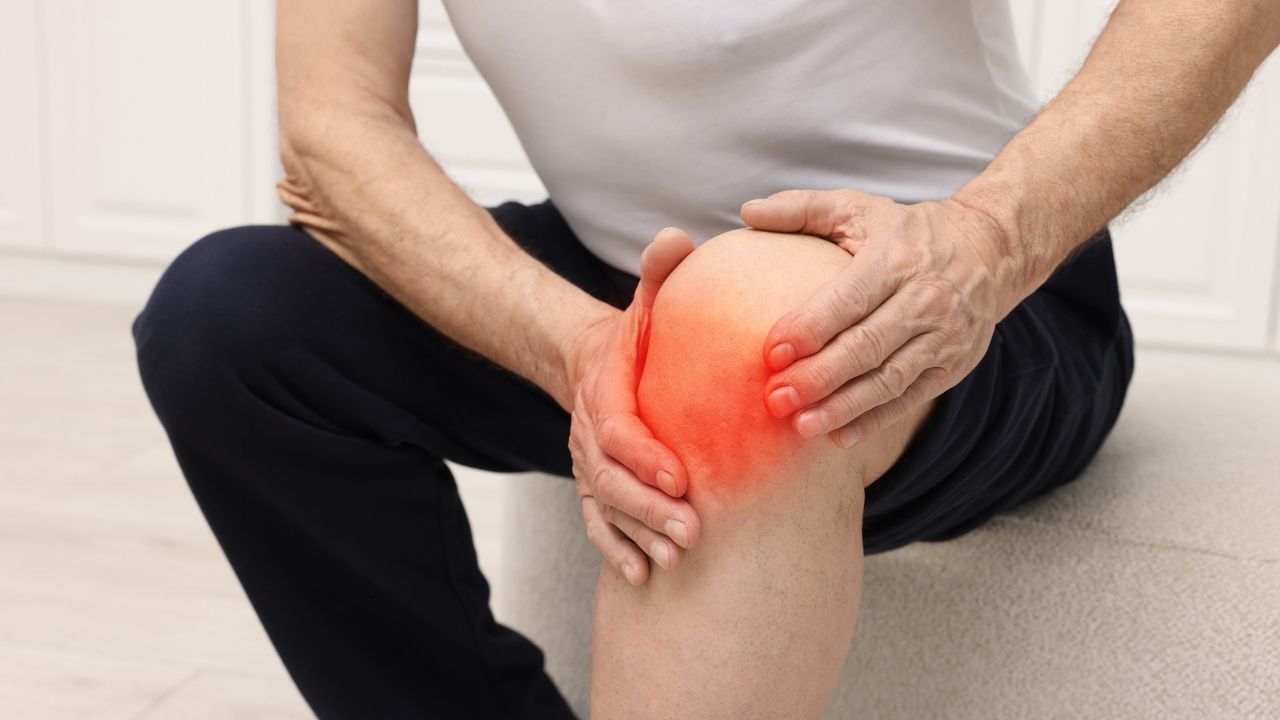
Knee pain is one of the most common musculoskeletal problems affecting people of different ages. Whether you experience discomfort while walking, climbing stairs, standing for long periods, or exercising, persistent knee pain can significantly affect your daily routine. Simple activities such as getting out of bed, sitting on the floor, or walking short distances may gradually become difficult.
Although knee pain is often associated with aging, it can also affect young adults, athletes, office workers, and individuals with previous injuries. Understanding the underlying cause is essential for choosing the right treatment. Professional physiotherapy can help reduce discomfort, restore joint movement, strengthen supporting muscles, and improve overall mobility.
What Are the Common Causes of Knee Pain?
The knee is a complex joint that supports body weight and allows essential movements such as walking, running, bending, and jumping. Because it experiences continuous physical stress, several conditions can lead to knee pain.
Osteoarthritis is a common cause, particularly among older adults. It develops when the protective cartilage within the joint gradually deteriorates, resulting in stiffness, swelling, and discomfort.
Sports injuries are another frequent cause of knee problems. ACL injuries, meniscus tears, ligament sprains, and muscle strains can occur during football, cricket, running, gym workouts, or sudden changes in direction.
Other possible causes include patellofemoral pain syndrome, patellar tendinitis, bursitis, incorrect movement patterns, muscle weakness, and excessive pressure on the knee joint.
Identifying the exact cause through a professional assessment is important before starting treatment.
Symptoms That Should Not Be Ignored
Knee problems do not always begin with severe pain. In many cases, symptoms develop gradually and become more noticeable over time.
You may experience pain while climbing or descending stairs, swelling around the joint, stiffness after sitting, difficulty fully bending or straightening the knee, clicking sensations, reduced stability, or discomfort after physical activity.
Some patients also experience a feeling that the knee may give way while walking. These symptoms can indicate an underlying joint, ligament, tendon, or muscular problem.
If knee pain is persistent or affects your ability to perform everyday activities, a professional assessment is recommended.
How Physiotherapy Helps Treat Knee Pain
Physiotherapy is an important part of conservative knee pain management. Instead of focusing only on temporary pain relief, it addresses the physical problems contributing to discomfort and reduced mobility.
At a physiotherapy clinic, treatment begins with an assessment of knee movement, muscle strength, flexibility, joint stability, walking patterns, and functional limitations.
Based on the findings, a personalized rehabilitation program may include strengthening exercises, flexibility training, manual therapy, balance exercises, movement correction, and activity modification.
These techniques help improve the strength of muscles surrounding the knee, support joint function, restore flexibility, and make everyday movements more comfortable.
Importance of Strengthening the Muscles Around the Knee
The quadriceps, hamstrings, gluteal muscles, and calf muscles all contribute to knee stability and movement.
When these muscles become weak, the knee may experience increased mechanical stress during walking, running, and other physical activities.
Targeted strengthening exercises help improve joint support, movement control, and functional stability. A physiotherapist selects appropriate exercises according to the patient’s condition, pain level, and recovery stage.
Consistent exercise under professional guidance can also help reduce the chances of recurring knee problems.
Can Physiotherapy Help Without Knee Surgery?
Many people assume that persistent knee pain automatically requires surgery. However, several knee conditions can initially be managed through non-surgical treatment.
Patients with mild to moderate osteoarthritis, certain overuse injuries, muscular weakness, and some ligament-related conditions may benefit from structured physiotherapy and rehabilitation.
Treatment may help reduce pain, improve walking ability, increase muscle strength, and maintain independence.
However, severe injuries, significant structural damage, or advanced joint disease may require further medical evaluation and surgical consultation. The appropriate treatment depends on the diagnosis and individual condition.
Simple Ways to Protect Your Knee Joints
Maintaining healthy knee function requires consistent attention to movement and lifestyle habits.
Regular low-impact physical activity, maintaining a healthy body weight, wearing supportive footwear, warming up before exercise, and avoiding sudden increases in workout intensity can help reduce unnecessary joint stress.
It is also important to avoid prolonged inactivity and follow appropriate strengthening exercises. If you already have knee pain, consult a physiotherapist before beginning a new exercise routine.
When Should You Visit a Physiotherapist?
You should consider professional physiotherapy if knee pain continues, repeatedly returns, restricts walking, or makes it difficult to climb stairs and perform daily activities.
Early assessment can help identify the underlying problem and prevent unnecessary delays in treatment.
Seek urgent medical attention if you cannot bear weight on the affected leg, the knee becomes severely swollen or deformed, or you develop a hot, red knee accompanied by fever. A sudden injury with a popping sensation and immediate instability also requires prompt evaluation.
Take the First Step Toward Better Knee Health
Living with knee pain can affect your independence, physical activity, and overall quality of life. However, the right treatment approach can help restore movement and make everyday activities easier.
Professional physiotherapy focuses on improving strength, flexibility, joint stability, and movement patterns through personalized rehabilitation.
Whether your knee pain is related to arthritis, sports injuries, muscle weakness, or overuse, an accurate assessment is the first step toward appropriate treatment and long-term joint health.
Dr. Zia Pain & Brain Physiotherapy Center
If you are experiencing knee pain, joint stiffness, difficulty walking, or discomfort during physical activities, professional physiotherapy assessment can help identify the right treatment approach.
Dr. Zia Pain & Brain Physiotherapy Center
Address: Raja Market, Street 48, F-11/3, Islamabad
Phone: 0330 4343123
Led by Dr. Zia Hassan, our center provides comprehensive physiotherapy and rehabilitation services, including knee pain treatment, arthritis rehabilitation, manual therapy, dry needling, electrotherapy, sports injury rehabilitation, neurological rehabilitation, post-surgical physiotherapy, and personalized exercise programs.
We welcome patients from F-11, F-10, G-11, G-10, E-11, D-12, DHA Phase 2 Islamabad, Rawalpindi, and surrounding areas.

