

Good balance is essential for almost everything we do, from walking and climbing stairs to standing up from a chair and moving safely around the home. However, balance can become affected by aging, neurological conditions, injuries, muscle weakness, joint problems, prolonged inactivity, or certain medical conditions. When balance is reduced, even simple movements can become difficult and the risk of falls may increase.
Balance training in physiotherapy is a specialized approach that helps patients improve stability, coordination, strength, and confidence during movement. With a personalized rehabilitation program, patients can work toward safer and more independent daily activities.
What Causes Poor Balance?
Balance depends on several systems working together, including the muscles and joints, vision, inner ear, and nervous system. A problem affecting any of these systems can make it difficult to maintain stability.
Muscle weakness, knee or ankle problems, vestibular disorders, stroke, Parkinson’s disease, neurological conditions, previous injuries, and prolonged bed rest can all contribute to balance difficulties. Some people may also develop poor balance because of reduced physical activity or changes in walking patterns.
Identifying the underlying reason for poor balance is an important part of effective rehabilitation.
Signs You May Need Balance Rehabilitation
Balance problems are not always obvious. Some people notice that they hold onto walls or furniture while walking, feel unsteady when turning, have difficulty standing on one leg, or feel nervous when using stairs.
Others may experience frequent stumbling, difficulty walking on uneven surfaces, or reduced confidence when moving outdoors. Previous falls or near-falls are also important warning signs.
A physiotherapy assessment can evaluate balance, walking patterns, lower-limb strength, coordination, flexibility, and functional movement to determine which areas require improvement.
How Physiotherapy Improves Balance
Balance rehabilitation is not simply about standing still. A physiotherapist may use a combination of exercises that challenge the body in controlled and progressive ways.
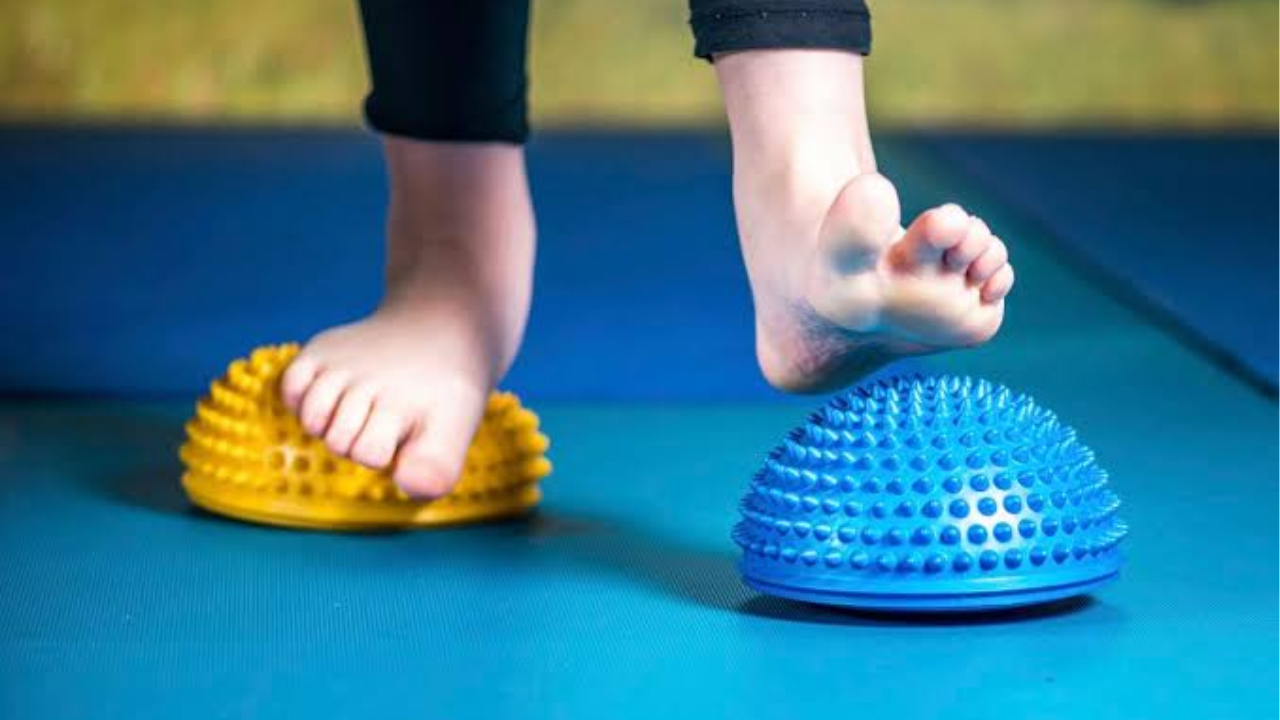
Treatment can include weight-shifting exercises, coordination activities, lower-limb strengthening, walking drills, flexibility exercises, posture training, functional movement exercises, and activities that gradually challenge stability.
The exercises are selected according to the patient’s abilities. Someone recovering from a neurological condition may require a different program from an older adult experiencing general weakness or an athlete recovering from an injury.
Balance Training After Neurological Conditions
Neurological conditions can significantly affect coordination and mobility. Patients recovering from stroke, Parkinson’s disease, brain injury, or other neurological disorders may experience weakness, altered walking patterns, or difficulty controlling movements.
Physiotherapy can help these patients practice safe movement patterns while gradually improving strength, coordination, and functional mobility. Rehabilitation may also include gait training and exercises designed around everyday activities.
Consistent therapy can help patients become more confident while performing routine movements.
Balance Rehabilitation After Injury or Surgery
An injury or surgery involving the knee, hip, ankle, or foot can temporarily affect balance. Patients may avoid putting weight on the affected side, resulting in muscle weakness and altered movement patterns.
Once medically appropriate, rehabilitation can gradually restore strength and stability. Balance exercises are incorporated alongside mobility and strengthening exercises to help patients return to normal walking and daily activities.
This is particularly important for patients who want to return to sports or physically demanding activities.
Balance Training for Older Adults
Maintaining balance becomes increasingly important with age because reduced muscle strength, joint stiffness, vision changes, and reduced physical activity can affect stability.
A supervised physiotherapy program can focus on functional movements such as standing from a chair, turning, stepping, walking, and navigating obstacles. These activities help patients practice movements they actually use in everyday life.
The goal is to maintain independence and confidence while reducing avoidable fall risks.
Why Individualized Assessment Matters
Balance problems have many possible causes, so the same exercises are not appropriate for everyone. A professional assessment helps determine whether the main issue involves strength, flexibility, coordination, gait, joint mobility, or another factor.
At Spire Medical & Rehabilitation Center, rehabilitation programs are customized according to each patient’s condition, physical abilities, and functional goals. Treatment can then be progressed as the patient becomes stronger and more confident.
Improving Mobility and Confidence
Balance is closely connected to independence. When people feel unstable, they may avoid walking, exercising, going outdoors, or participating in normal activities. This can lead to further weakness and reduced physical fitness.
Appropriate physiotherapy can help break this cycle by gradually improving movement and confidence. With regular practice and professional guidance, patients can work toward safer mobility and greater participation in everyday life.
If you or a family member is experiencing unsteadiness, repeated falls, difficulty walking, or reduced confidence during movement, a professional physiotherapy assessment can help identify the right rehabilitation approach.
Spire Medical & Rehabilitation Center
Spire Medical & Rehabilitation Center provides personalized physiotherapy and rehabilitation services for children and adults in Islamabad.
Address: 5, Block F, Media Town, Islamabad
Phone: 0330 2592597
Services include Physiotherapy, Balance Rehabilitation, Neurological Rehabilitation, Sports Injury Rehabilitation, Post-Surgical Rehabilitation, Manual Therapy, Dry Needling, Electrotherapy, Pediatric Physiotherapy, and personalized mobility programs.
The center provides evidence-based rehabilitation designed around each patient’s condition, functional needs, and recovery goals.

