

Persistent muscle pain can make even simple daily activities uncomfortable. Many people experience tight muscles, painful knots, stiffness, or restricted movement that continues despite rest, stretching, or regular exercise. One physiotherapy technique that may be used to address certain types of muscular pain is dry needling.
Dry needling is a specialized technique performed by trained physiotherapists to target specific muscles and trigger points. When appropriately selected as part of a rehabilitation program, it can help reduce muscle tension, improve movement, and support recovery from certain musculoskeletal conditions.
What Is Dry Needling?
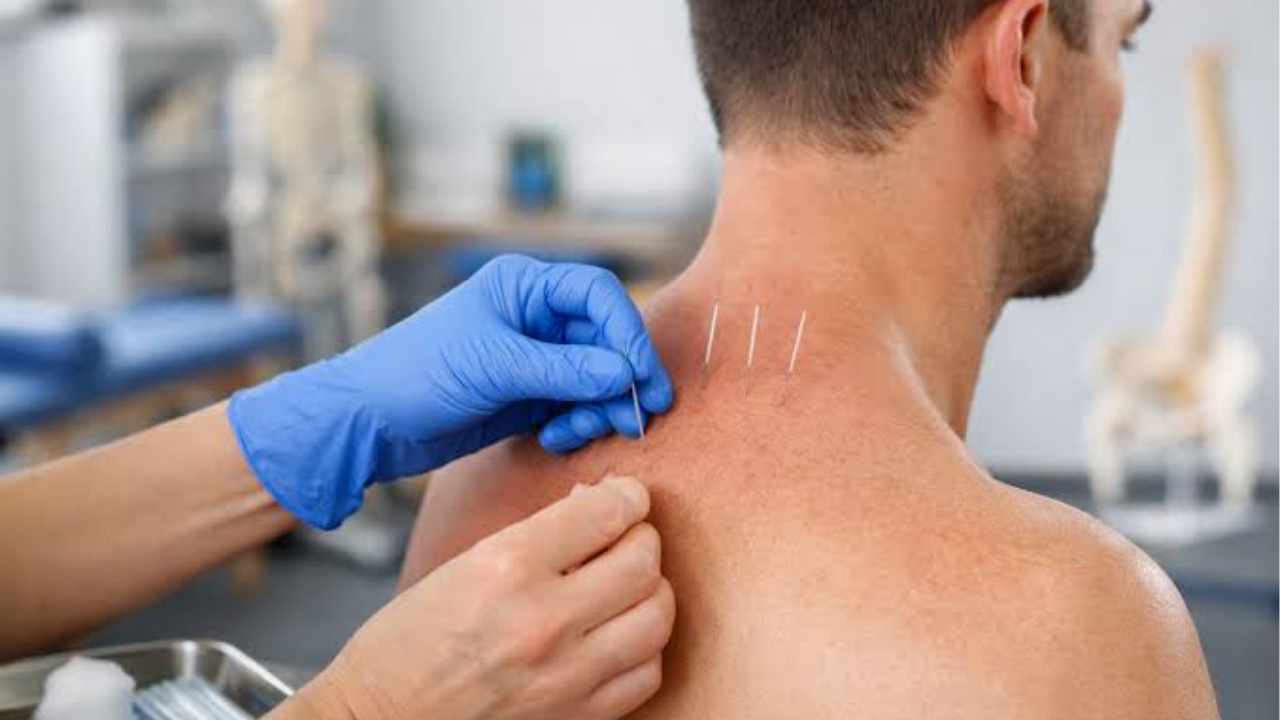
Dry needling involves inserting very fine, sterile needles into specific areas of muscle or soft tissue. Unlike acupuncture, which is based on traditional Chinese medicine principles, dry needling is generally used within a physiotherapy and musculoskeletal rehabilitation framework to target myofascial trigger points and areas of muscular dysfunction.
The technique is usually performed after a physical assessment identifies muscles or trigger points that may be contributing to a patient’s symptoms.
What Are Trigger Points?
Trigger points are sensitive areas within a muscle that can be painful when pressure is applied. They may also contribute to pain that is felt in another area of the body.
For example, certain trigger points in the neck and shoulder muscles may contribute to discomfort around the head, shoulder, or upper back. Trigger points can develop due to repetitive movements, prolonged postures, muscle overload, injuries, or other factors.
A physiotherapist first evaluates the patient’s movement and symptoms before determining whether trigger point treatment may be appropriate.
How Can Dry Needling Help?
When dry needling is appropriate for a patient’s condition, it may be used to reduce localized muscle tension and improve the function of affected muscles. Some patients experience reduced pain and improved range of motion following treatment.
Dry needling is generally not considered a standalone solution. It is often combined with therapeutic exercises, stretching, manual therapy, posture correction, strengthening, and movement retraining.
This combination allows the immediate effects of treatment to be followed by active rehabilitation designed to address contributing factors.
Conditions That May Benefit From Dry Needling
Dry needling may be incorporated into physiotherapy programs for selected musculoskeletal conditions involving muscular pain or trigger points.
These can include neck and shoulder muscle tension, certain types of lower back pain, muscle strains, sports-related muscular problems, myofascial pain, and muscle tightness associated with movement dysfunction.
However, dry needling is not suitable for every patient or every type of pain. A proper assessment is important before treatment begins.
What Happens During a Dry Needling Session?
Treatment usually begins with a detailed assessment of the patient’s symptoms, medical history, movement, posture, and muscle function. The physiotherapist identifies the area requiring treatment and explains the procedure before proceeding.
During treatment, very fine needles are inserted into selected tissues. Patients may experience a brief sensation during insertion or a temporary muscle twitch in some cases.
After treatment, mild soreness can occur and usually settles relatively quickly. Your physiotherapist can also recommend appropriate exercises or other rehabilitation techniques following the session.
Why Assessment Should Come Before Treatment
Muscle pain does not always originate from the area where the patient feels discomfort. Poor movement patterns, joint restrictions, nerve irritation, previous injuries, and muscle weakness can all contribute to pain.
Simply treating a painful muscle without identifying the underlying problem may provide only temporary relief.
A comprehensive physiotherapy assessment helps determine whether dry needling is appropriate and what other treatments should be included in the rehabilitation plan.
Combining Dry Needling With Physiotherapy
For long-term improvement, active rehabilitation is often just as important as symptom management.
Following dry needling, a physiotherapist may prescribe strengthening exercises, mobility exercises, stretching, posture correction, balance training, or movement retraining. These interventions help restore normal function and reduce the likelihood of recurring problems.
The exact treatment plan depends on the individual’s condition, physical limitations, lifestyle, and rehabilitation goals.
When Should You Consider Physiotherapy?
If muscle pain, stiffness, or restricted movement continues despite rest and basic home care, a professional assessment can help identify the cause.
Persistent neck pain, shoulder tightness, lower back discomfort, sports-related muscle problems, or recurring muscular tension may benefit from a personalized physiotherapy evaluation.
Early assessment can help identify contributing factors and provide a structured plan for recovery rather than relying only on temporary pain relief.
A Personalized Approach to Muscle Pain
There is no single treatment that works for every type of muscle pain. Dry needling can be a useful physiotherapy technique for appropriately selected patients, particularly when trigger points or muscular dysfunction are contributing to symptoms.
The most effective rehabilitation approach is based on proper assessment and may combine dry needling with exercise therapy, manual techniques, education, and other evidence-based physiotherapy treatments.
Physiotherapy Care in Islamabad
For professional assessment and personalized physiotherapy treatment, patients can consult the rehabilitation clinics listed below. Treatment plans are developed according to the patient’s individual condition, symptoms, and functional goals.
Dr. Zia Pain & Brain Physiotherapy Center
Address: Raja Market, Street 48, F-11/3, Islamabad
Phone: 0330 4343123
Spire Medical & Rehabilitation Center
Address: 5, Block F, Media Town, Islamabad
Phone: 0330 2592597
Theramed Neuro Therapies – DHA 2 Islamabad
Address: Sheikh Zayed Bin Sultan Al Nahyan Road, Downtown Giga, D Sector, DHA Phase II, Islamabad
Led by Dr. Zia Hassan, the rehabilitation network provides physiotherapy and multidisciplinary rehabilitation services for children and adults, with treatment programs tailored to individual needs.

