

When someone experiences a neurological condition such as a stroke, traumatic brain injury, spinal cord injury, Parkinson’s disease, or another disorder affecting the nervous system, the first concern is usually medical treatment. While emergency care is essential, recovery doesn’t end when the patient leaves the hospital. In many cases, the most meaningful improvements happen during rehabilitation.
Unfortunately, many people wait weeks or even months before starting therapy, believing recovery will happen naturally with time. Although the body has an incredible ability to heal, delaying rehabilitation can make recovery more challenging. Early neuro rehabilitation helps patients rebuild movement, communication, balance, coordination, and independence while the brain and nervous system are actively adapting.
What Is Neuro Rehabilitation?
Neuro rehabilitation is a specialized treatment program designed for people living with conditions that affect the brain, spinal cord, or nerves. Rather than focusing only on symptoms, rehabilitation addresses how neurological conditions impact everyday life.
The goal is to help patients regain physical abilities, improve communication, enhance cognitive function, and return to daily activities as safely and independently as possible. Every rehabilitation plan is personalized because no two patients experience the same challenges.
Why Timing Makes a Difference
The brain has a remarkable ability to reorganize itself after injury through a process known as neuroplasticity. This means healthy areas of the brain can gradually learn to perform functions that were previously controlled by damaged areas.
Therapy started during this recovery period encourages the brain to develop new pathways more efficiently. Early intervention often leads to better movement, stronger balance, improved speech, and greater functional independence compared to delayed rehabilitation.
Even individuals with long-standing neurological conditions can benefit from rehabilitation, but beginning treatment earlier often provides greater opportunities for improvement.
Conditions That Benefit from Neuro Rehabilitation
Neuro rehabilitation is beneficial for a wide range of neurological and developmental conditions, including:
- Stroke recovery
- Parkinson’s disease
- Traumatic brain injury
- Spinal cord injury
- Multiple sclerosis
- Cerebral palsy
- Bell’s palsy
- Balance disorders
- Vestibular disorders
- Autism Spectrum Disorder
- Developmental delays
- Neurological weakness
- Walking and mobility disorders
Each condition requires a unique rehabilitation approach, making professional assessment an essential first step.
A Team Approach Creates Better Outcomes
Recovery is rarely achieved through one therapy alone. Many neurological conditions affect several aspects of a person’s life simultaneously, including movement, speech, thinking, behavior, and emotional well-being.
A multidisciplinary rehabilitation program allows different healthcare professionals to work together toward common recovery goals.
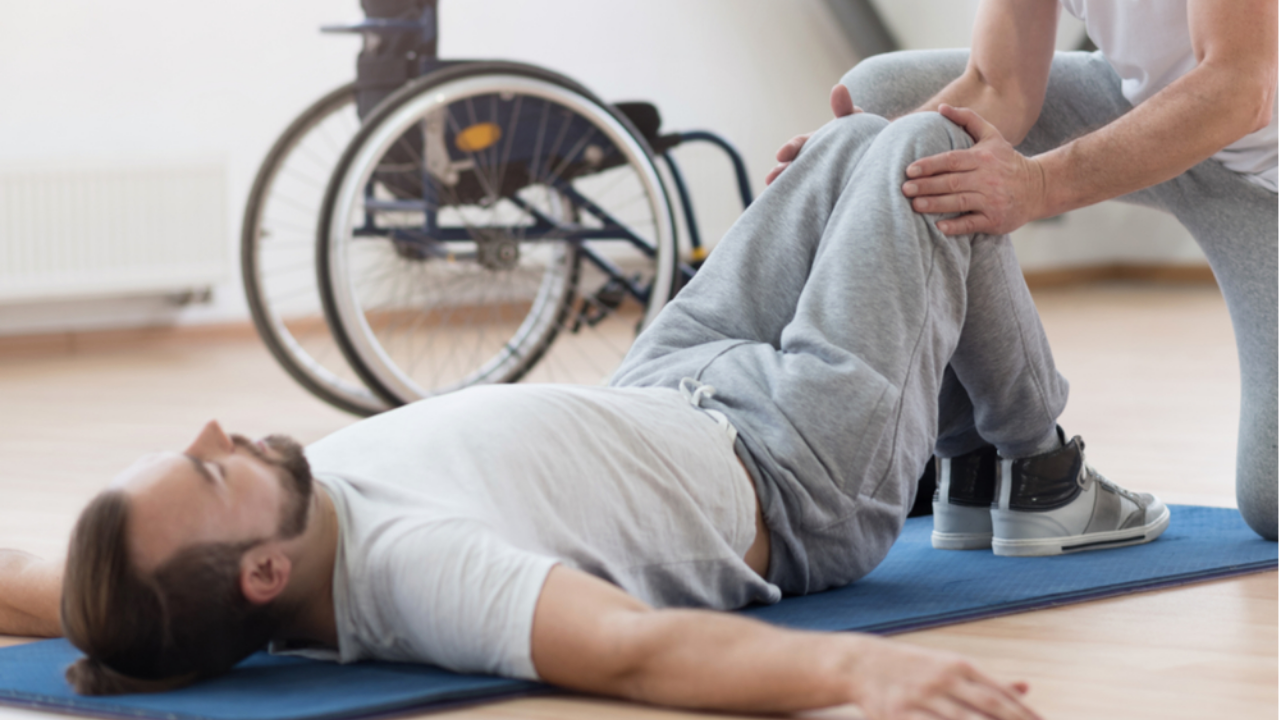
Depending on the patient’s needs, rehabilitation may include physiotherapy to restore mobility and strength, occupational therapy to improve independence in daily activities, speech therapy to enhance communication and swallowing, behavioral therapy, psychological support, and cognitive rehabilitation to strengthen memory, attention, and problem-solving skills.
When therapies are coordinated, patients often make more consistent progress because every aspect of recovery is addressed together.
Recovery Is Different for Every Patient
No two recovery journeys look exactly alike.
Some patients regain independence within a few months, while others require longer-term rehabilitation. Factors such as age, diagnosis, severity of the condition, overall health, family support, and consistency with therapy all influence outcomes.
The most successful rehabilitation programs regularly evaluate progress and adjust treatment plans as patients improve. This personalized approach ensures therapy continues to meet each individual’s changing needs.
Small Improvements Lead to Big Changes
Recovery is often measured through small milestones that gradually transform daily life.
Standing without assistance.
Taking a few confident steps.
Speaking complete sentences.
Using a hand more effectively.
Returning to work.
Playing with children again.
Managing personal care independently.
These achievements may appear small, but together they restore confidence, independence, and quality of life.
Choosing the Right Neuro Rehabilitation Center
Selecting an experienced rehabilitation team can make a significant difference in long-term recovery.
Look for a center that provides comprehensive assessments, individualized treatment plans, evidence-based therapy techniques, modern rehabilitation equipment, and coordinated care across multiple specialties.
Family education is equally important because rehabilitation continues outside the clinic. When patients and caregivers understand the recovery process, they become active partners in achieving successful outcomes.
Begin Your Recovery with Confidence
Neurological conditions can affect every part of daily life, but they don’t have to define the future. With timely assessment, personalized rehabilitation, and consistent therapy, many patients regain abilities they once thought were lost.
Whether recovery involves improving mobility, communication, balance, cognitive skills, or everyday independence, professional neuro rehabilitation provides the guidance and support needed for long-term progress.
Theramed Neuro Therapies – DHA 2 Islamabad
If you or a loved one is recovering from a neurological condition, our experienced multidisciplinary team is here to help.
Theramed Neuro Therapies – DHA 2 Islamabad
Address: Sheikh Zayed Bin Sultan Al Nahyan Road, Downtown Giga, D Sector, DHA Phase II, Islamabad
Led by Dr. Zia Hassan, our center provides comprehensive Neuro Rehabilitation, Physiotherapy, Occupational Therapy, Speech Therapy, ABA Therapy, Behavior Therapy, Child Psychology, Cognitive Rehabilitation, and Special Education for both children and adults. Every treatment plan is personalized to help patients improve mobility, communication, independence, and overall quality of life.

